Requiem
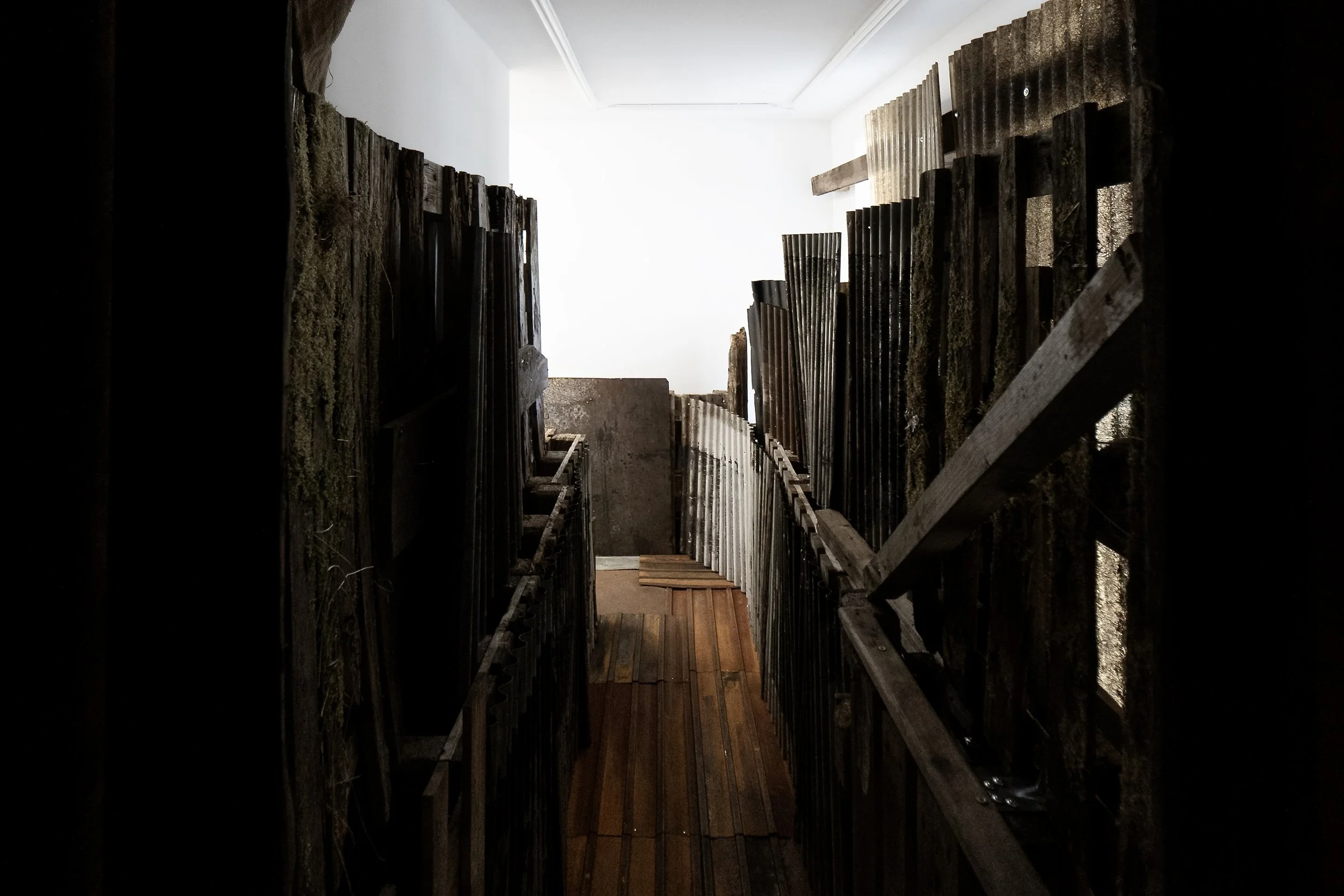
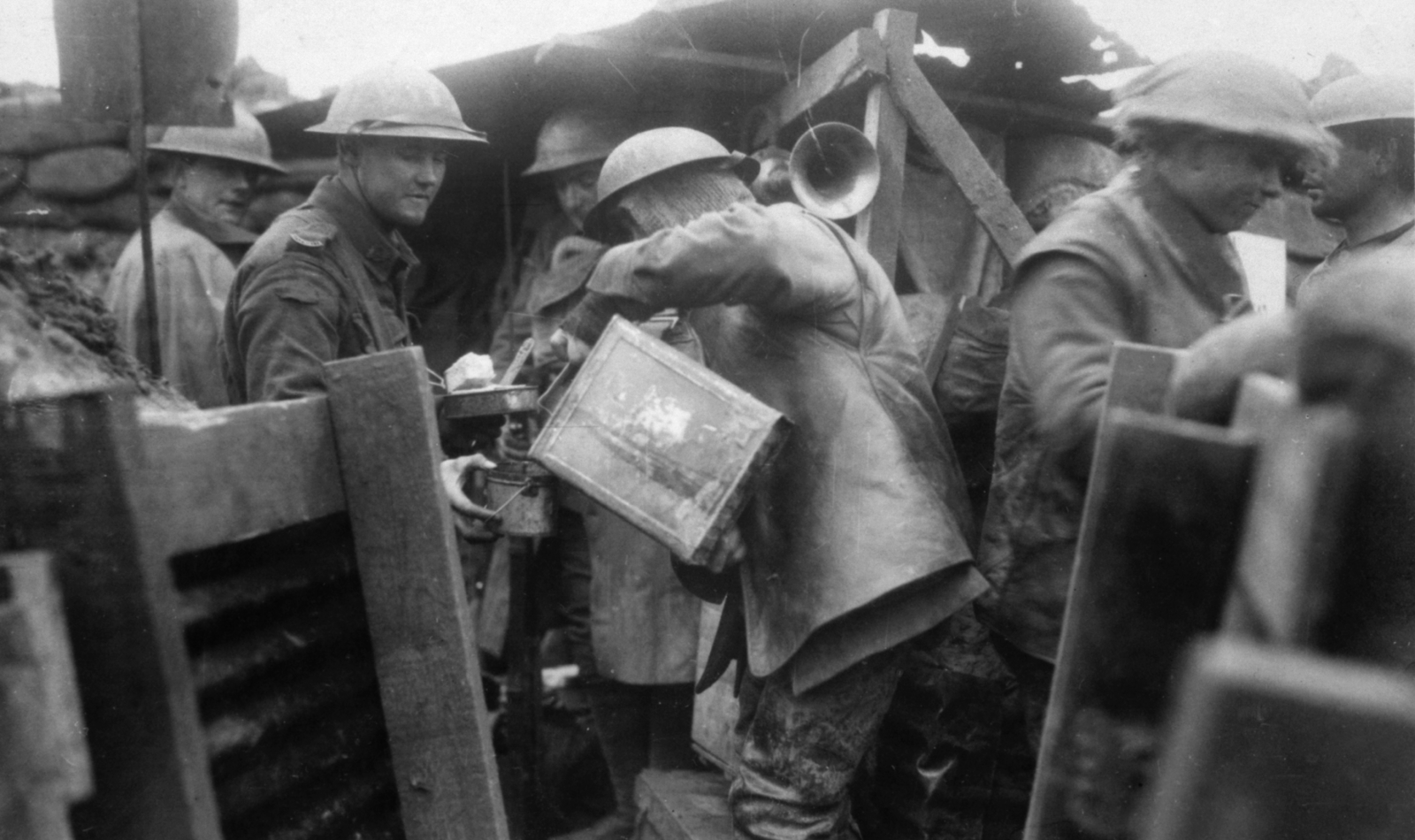
Requiem continues Norman Maýn’s exploration of the perpetuation of violence (against non-human animals) and human, male guilt. Rather than merely stepping into the work, we are invited to trample it; we trigger sounds and tensions, move against resistance, penetrate the space, and become part of the shame. Improvised – and at times ephemeral – architectures of violence, ritual sites, spaces of isolation, the systems of corridors and pathways found in slaughterhouses, war zones, or illegal combat sports events share more similarities than one might expect. Requiem traces these parallels, shaping these points of intersection into a binary construct.
Maýn draws upon architectural principles of spatial isolation and irreversible pathways, translating them within his artistic installation into structures and materialities that can be physically traversed. The gallery entrance is transformed into the gateway to a ‚spectacle of violence’ – at once menacing and unstable. Walls made of weathered corrugated sheets appear dilapidated, yet they form an impassable dead end. A hollowed-out fence post evokes the image of a punching bag. Beneath our feet, a patchwork of steel plates clatters; the noise and stress are generated solely by our own movement. We are pushed through a narrowing corridor and ultimately squeezed into a chamber with no exit. Amidst forced movement and the clamor of violence, stillness becomes the only safe haven – like a moment where, for a split second, time stands still between life and death.
Text: Anne Hölck and Norman Maýn
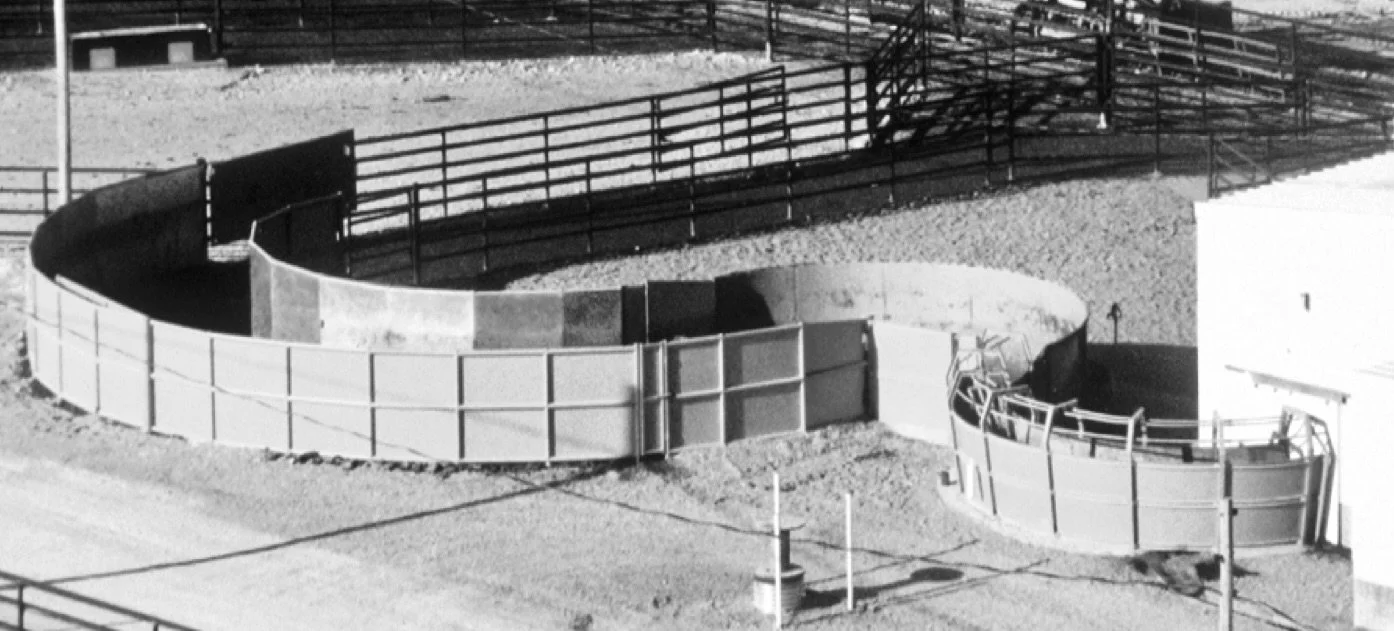
Temple Grandins Serpentine ramp
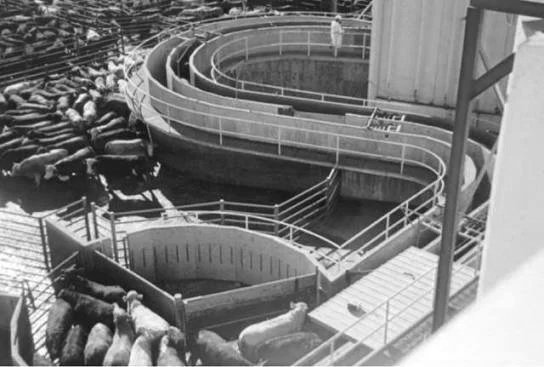
Serpentine principle used in slaughterhouses
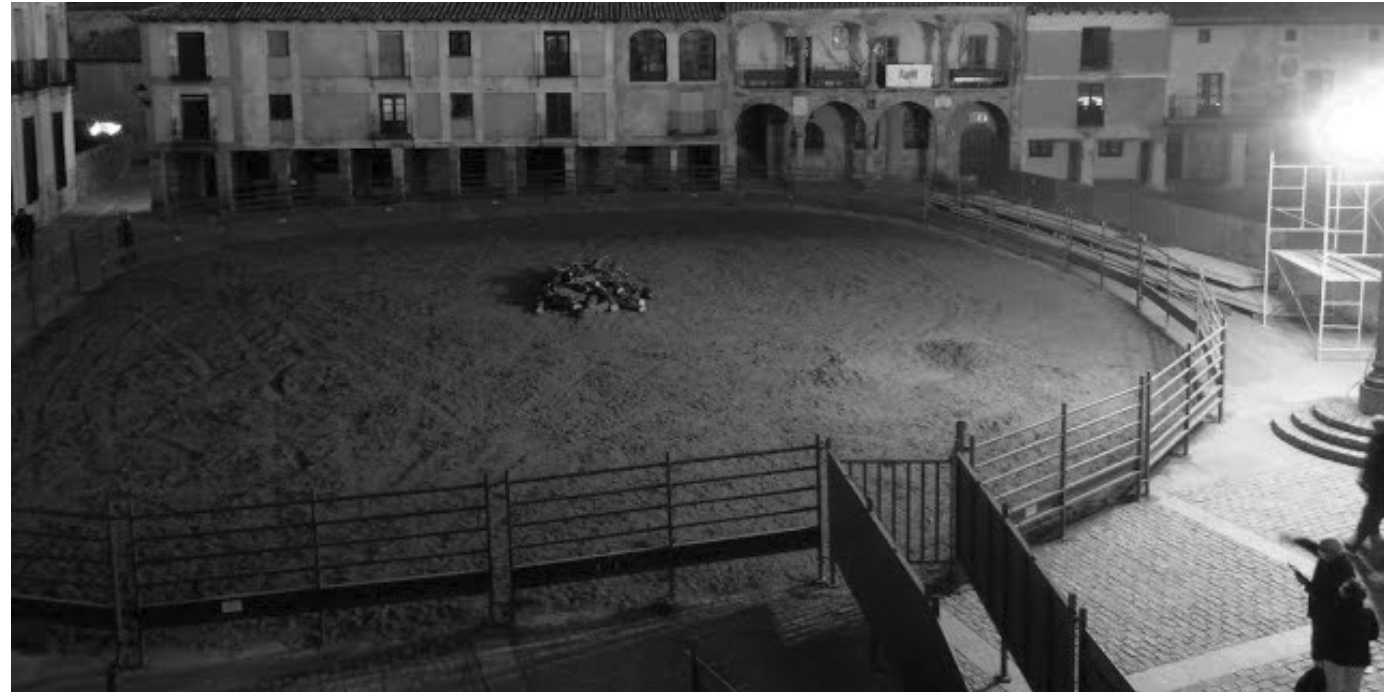
Plaza Mayor, Medinaceli, construction for the Toro Júbilo
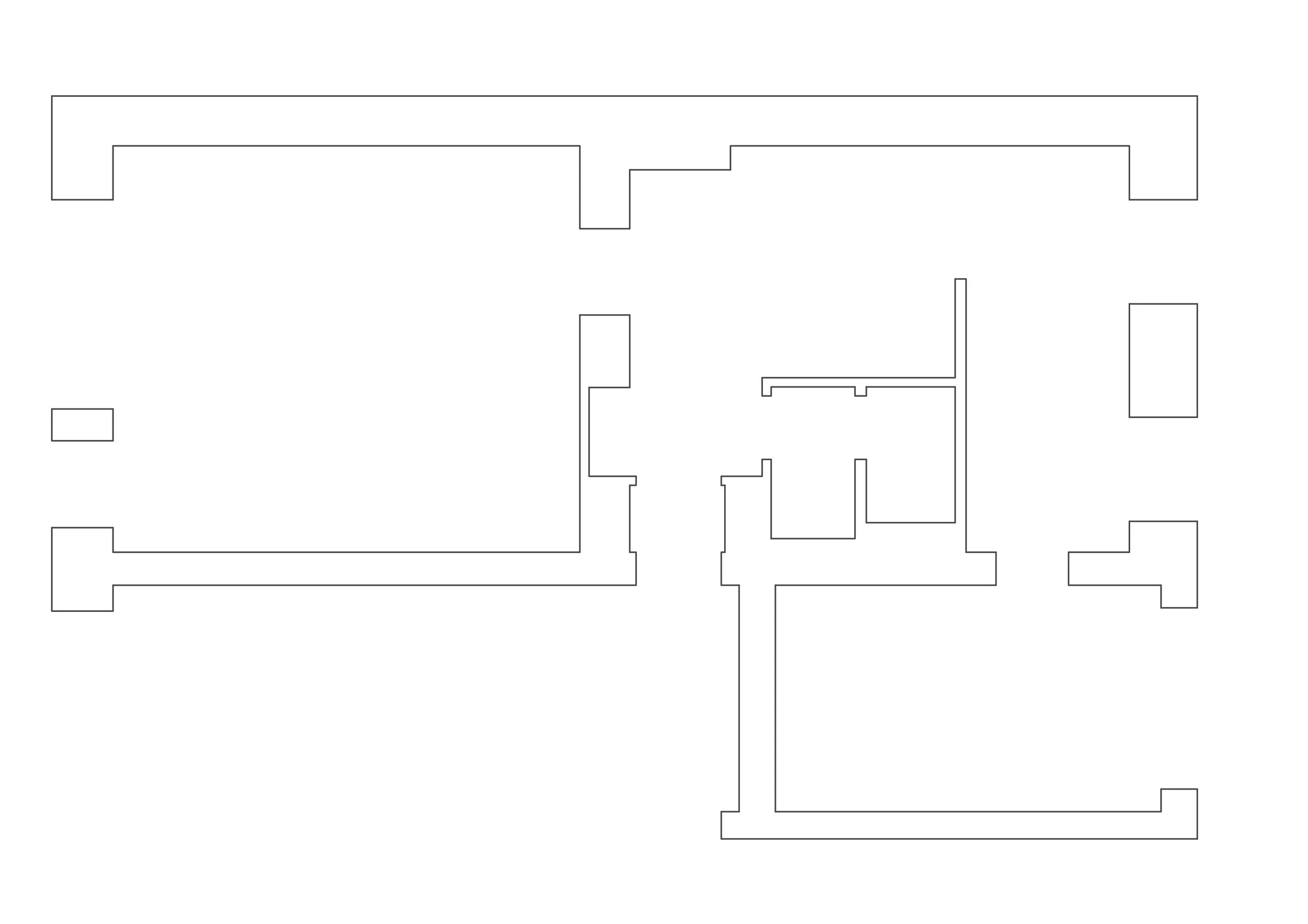
Galerie Met, Berlin, Floorplan
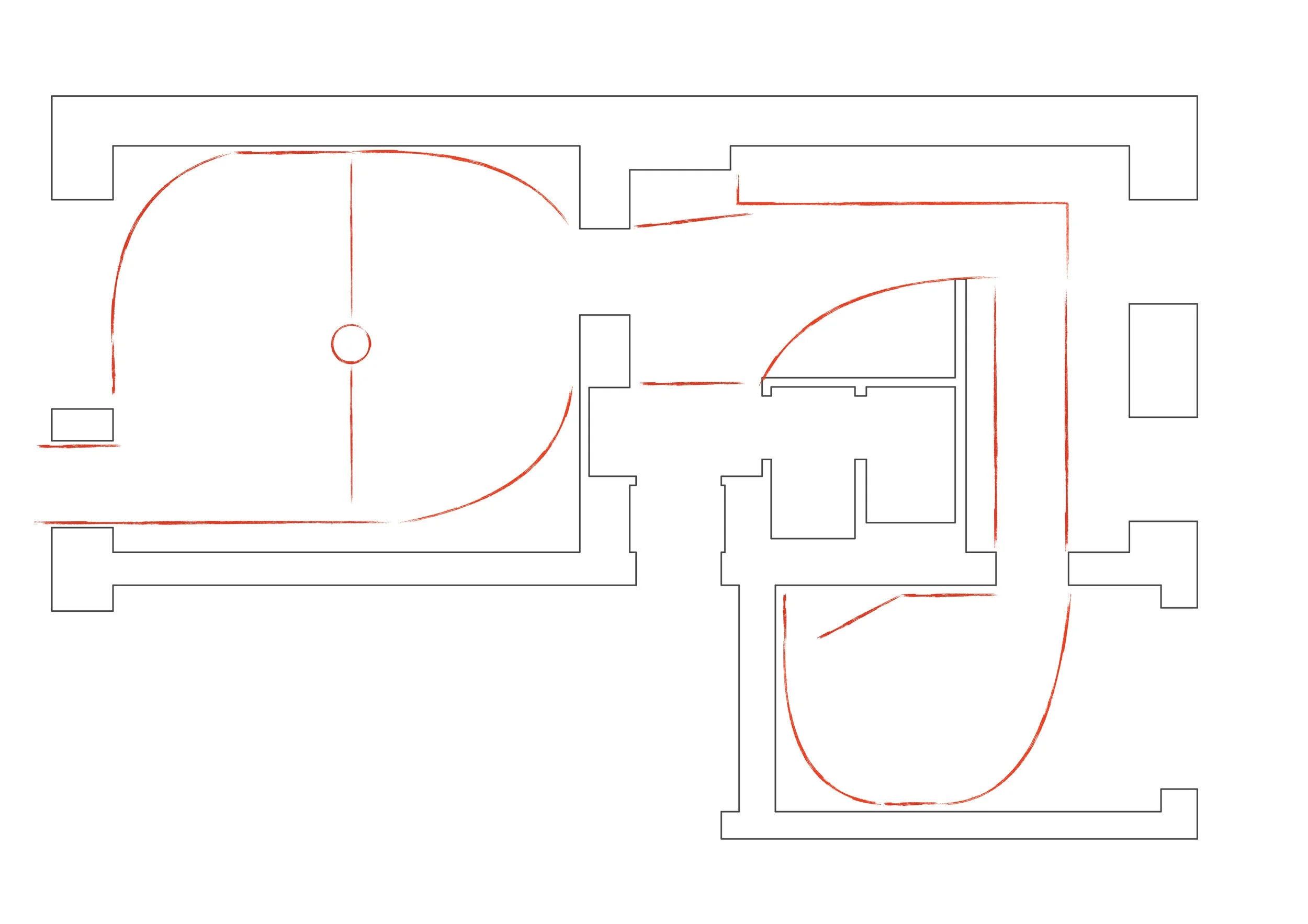
Requiem installation sketch and floor plan
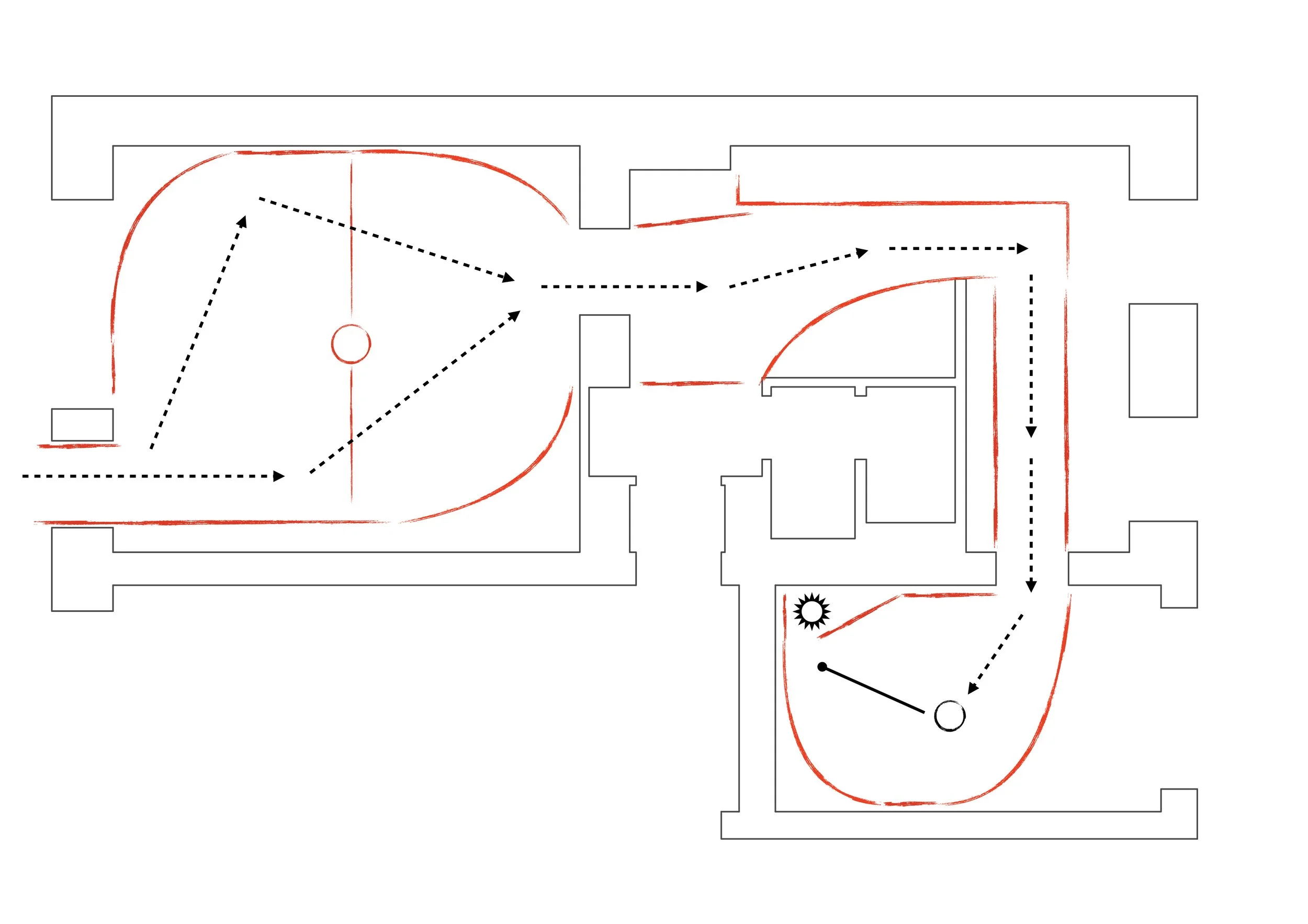
Requiem movement scheme
Installation views
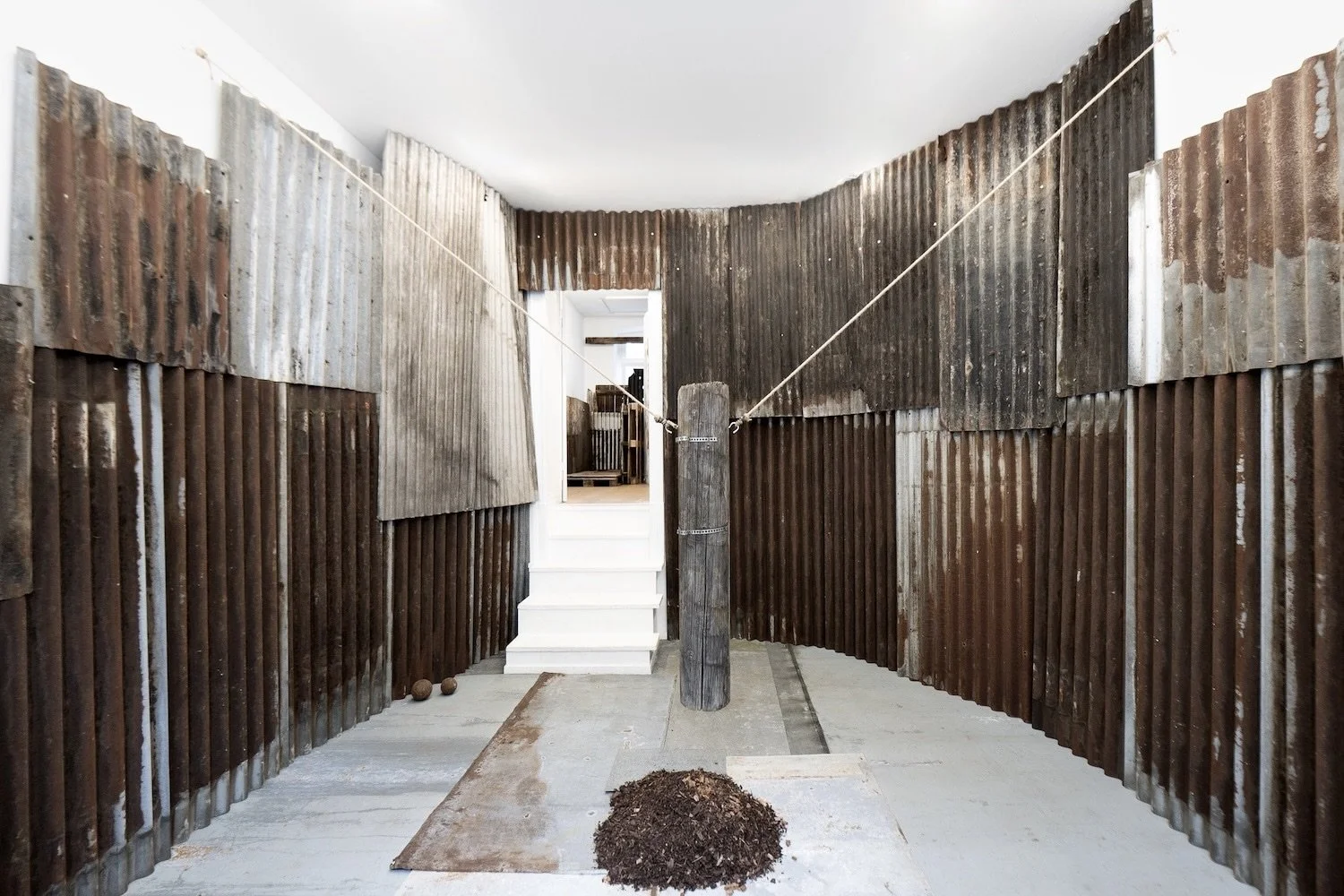
R.1 – Jubilation (Humiliation)
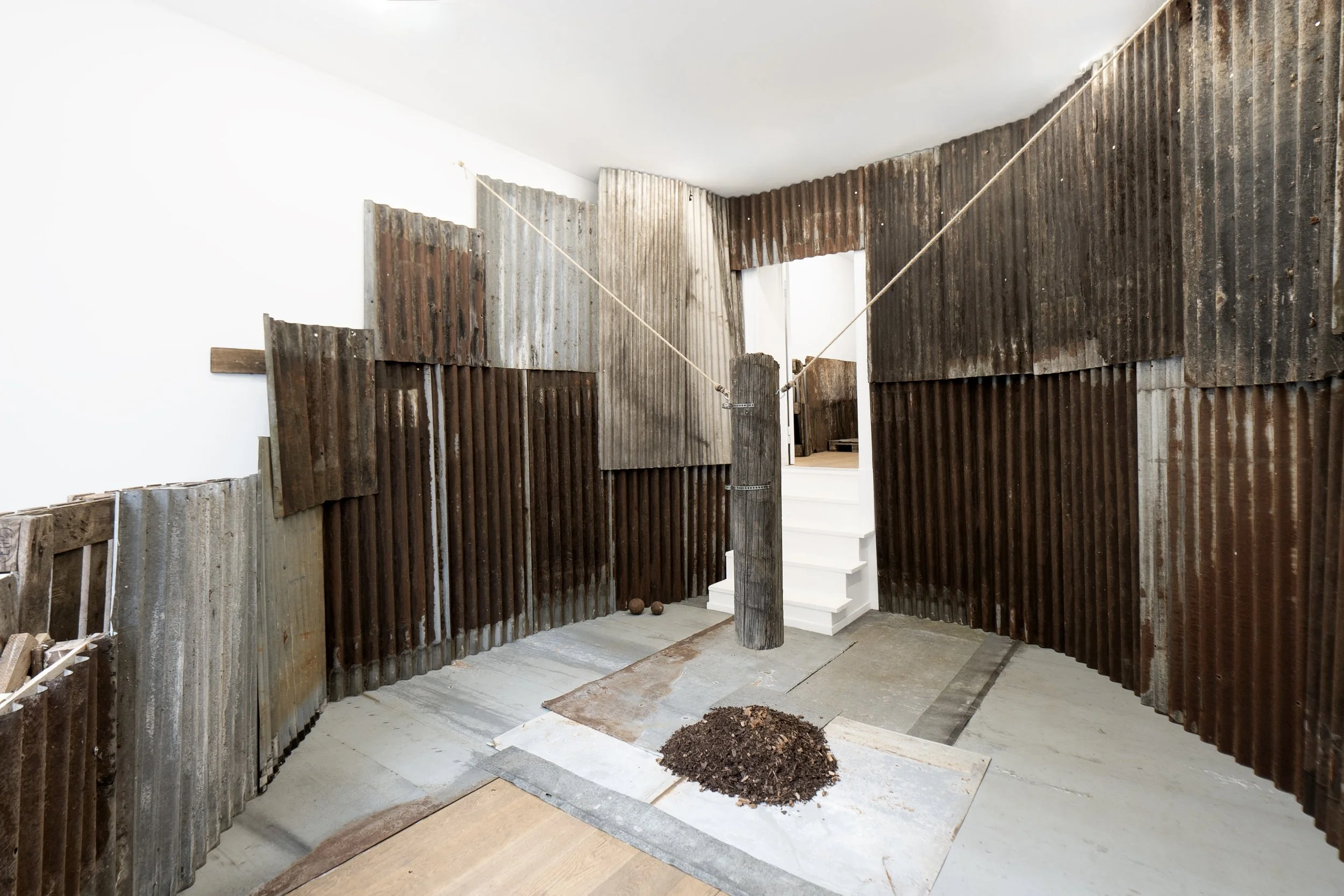
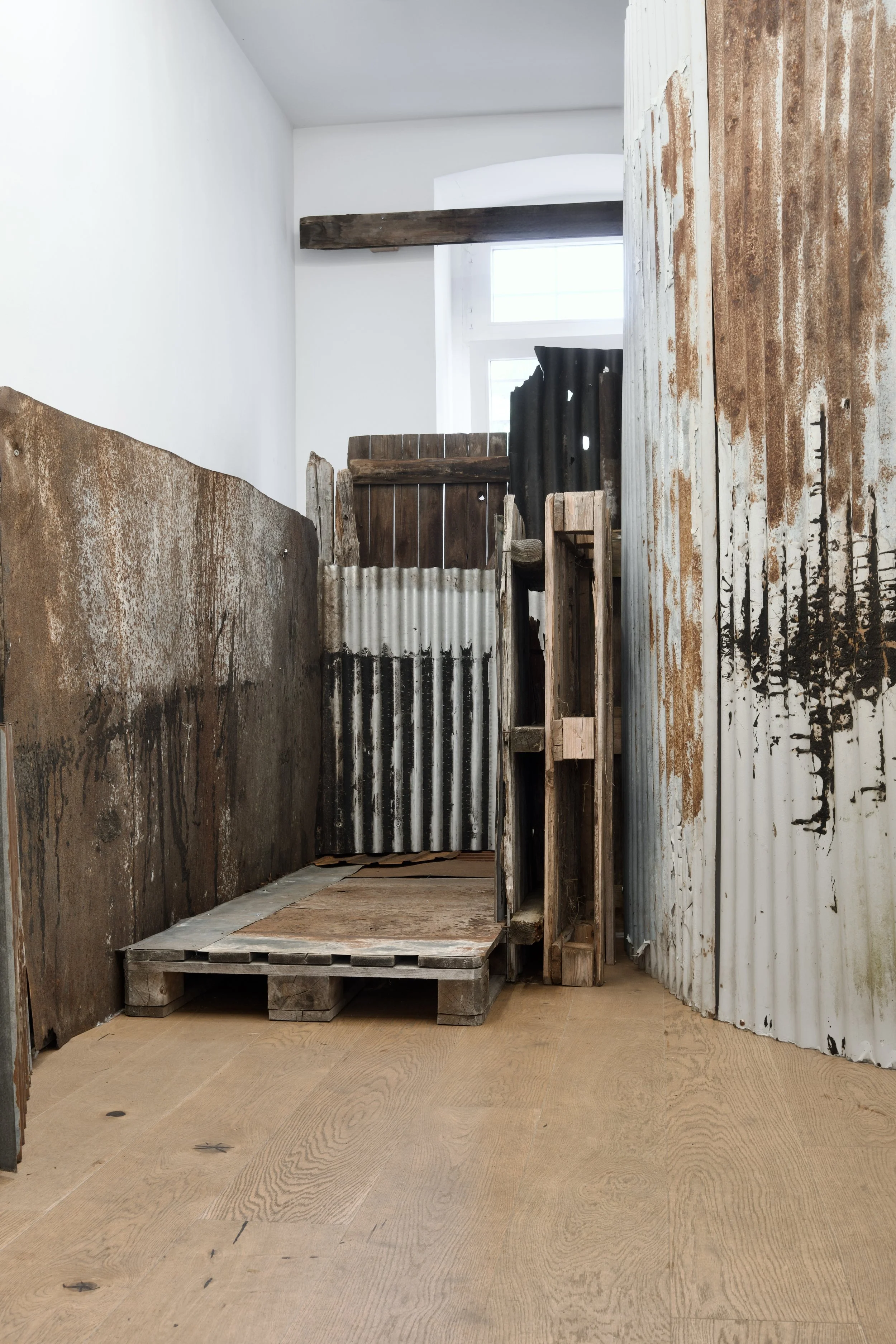
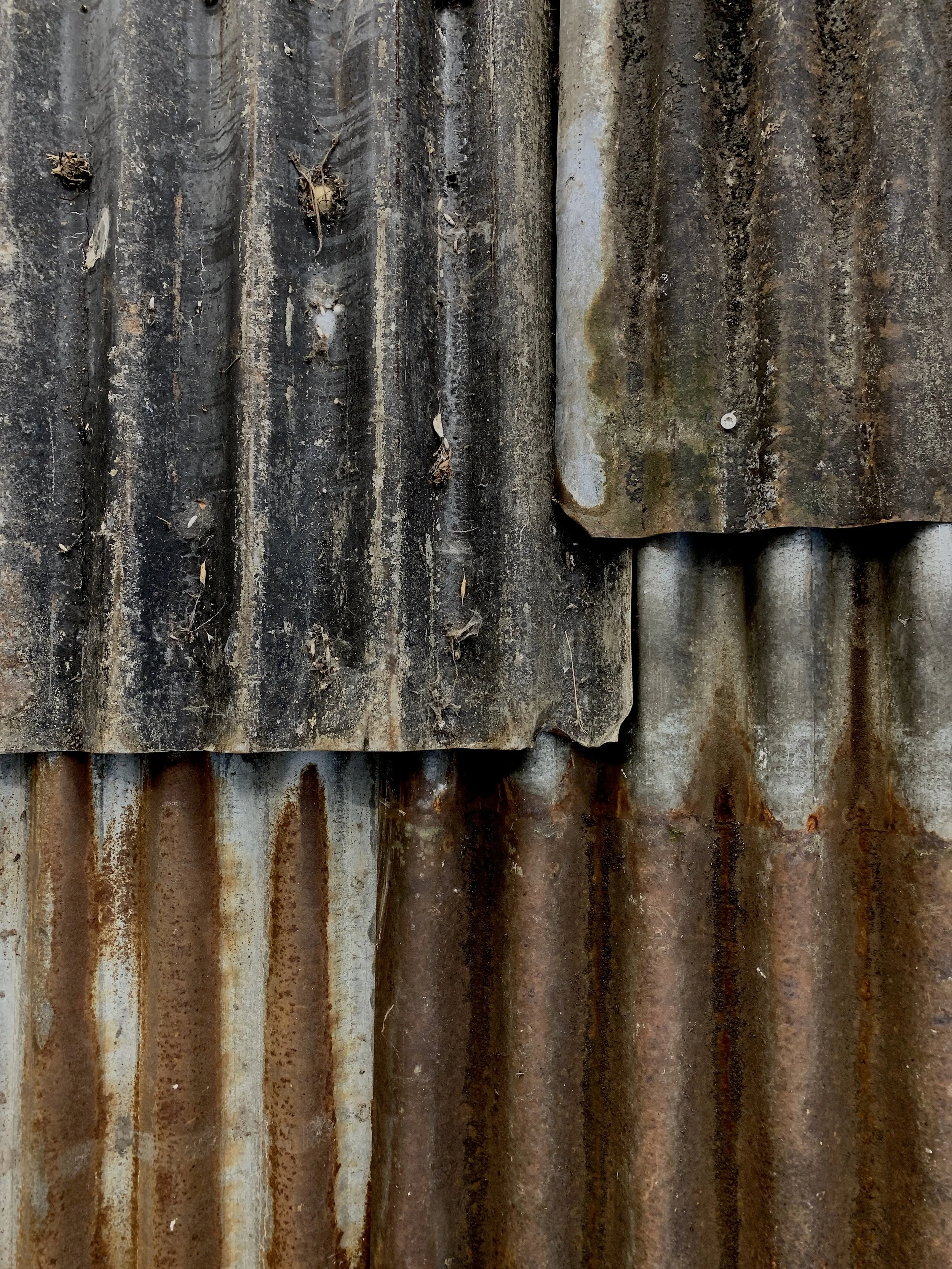
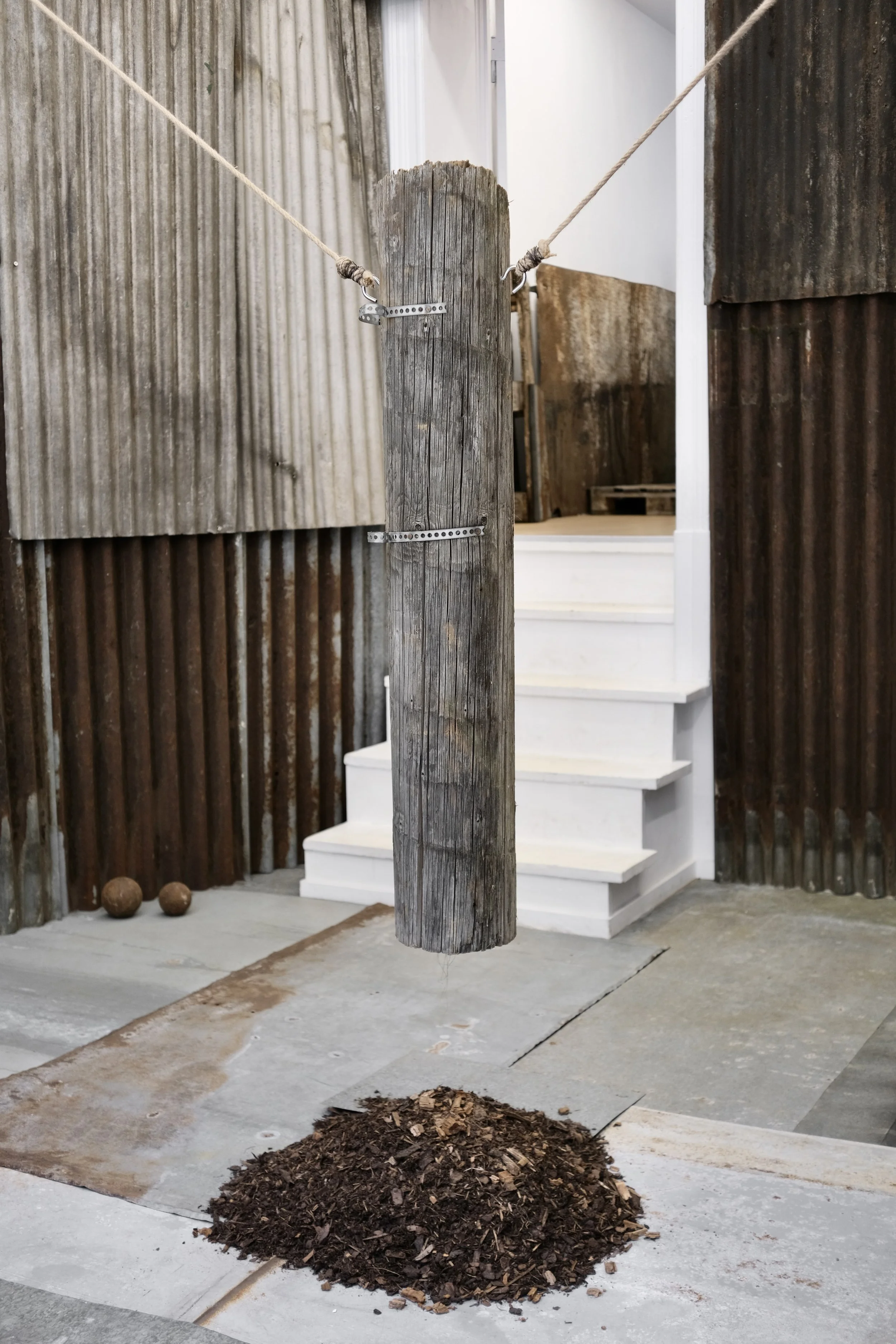
2026, Wood construction, pallets, corrugated sheets, steel plates, farm equipment, ropes, mulch, size variable, unique
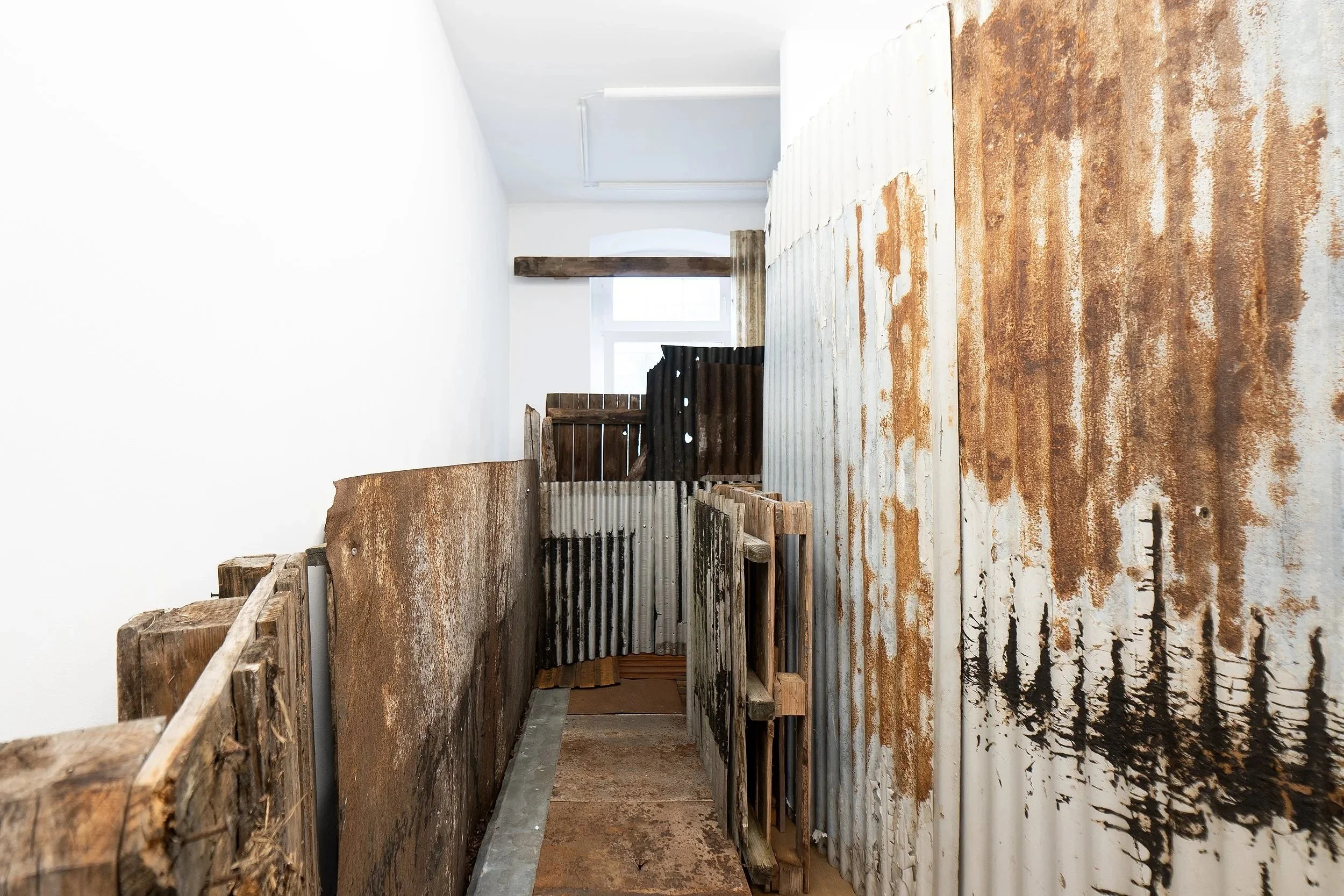
R.2 — Disorientation (Compression)
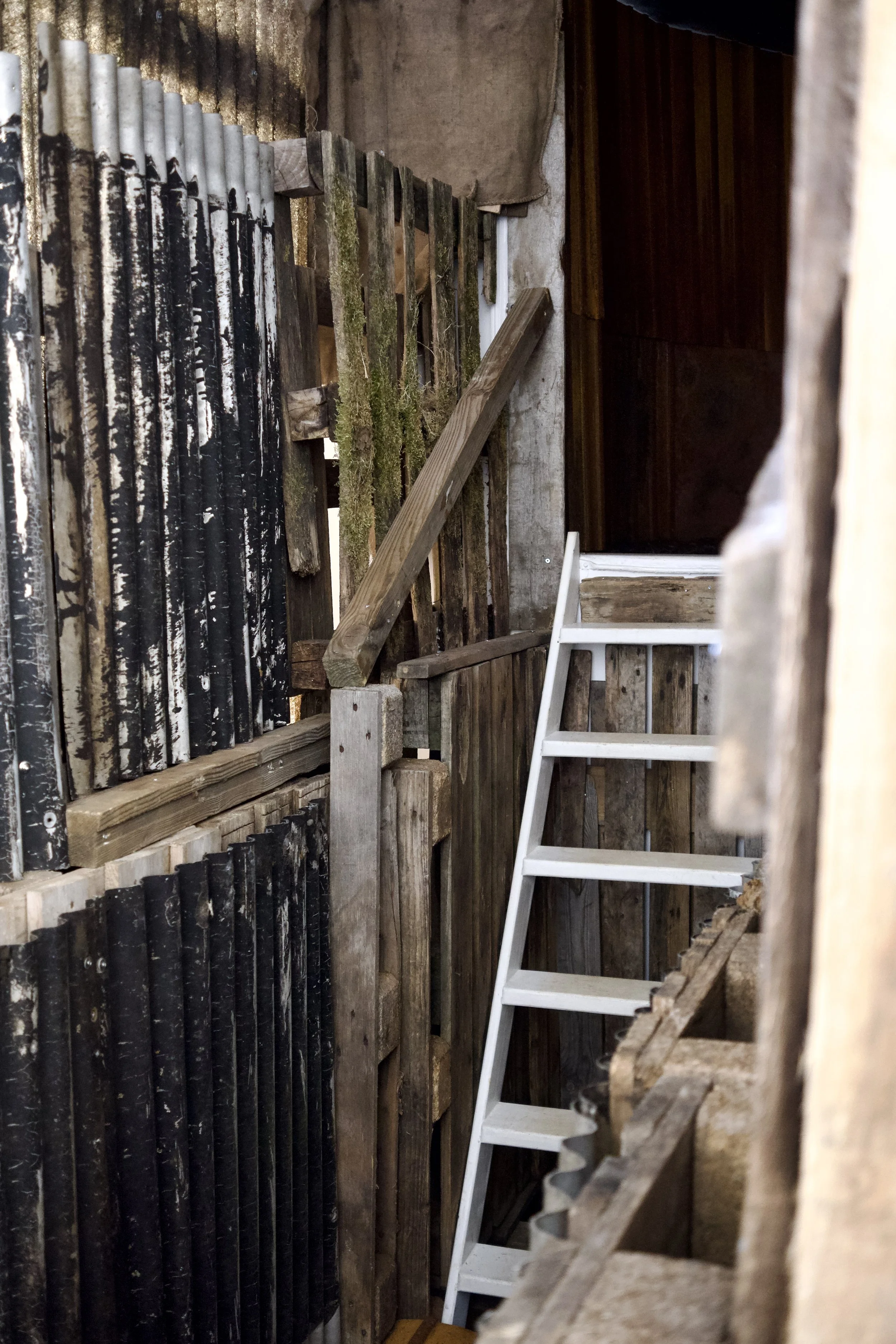

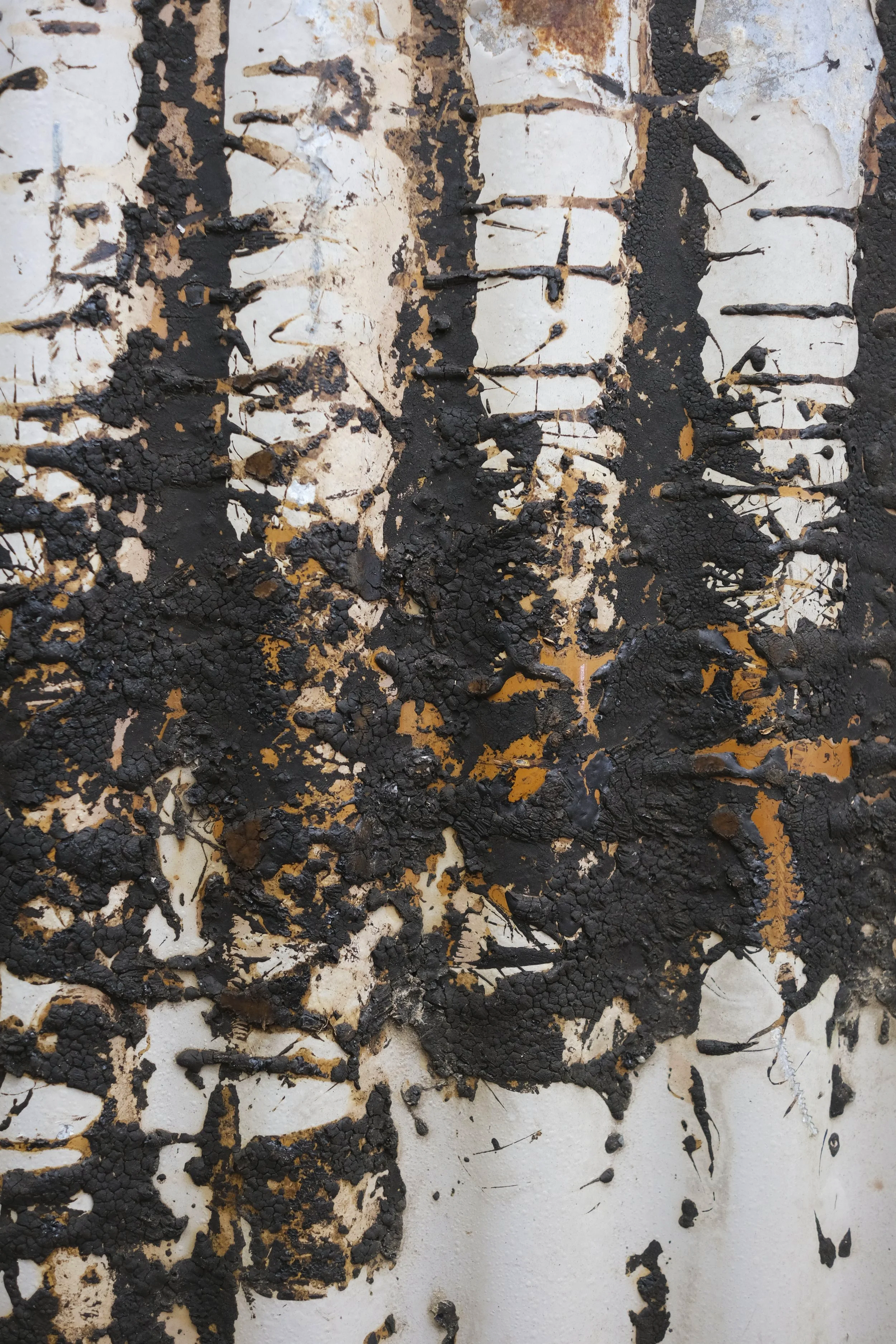
2026, corrugated sheets, pallets, steel plates, authentic farm and livestock equipment, size variable, unique
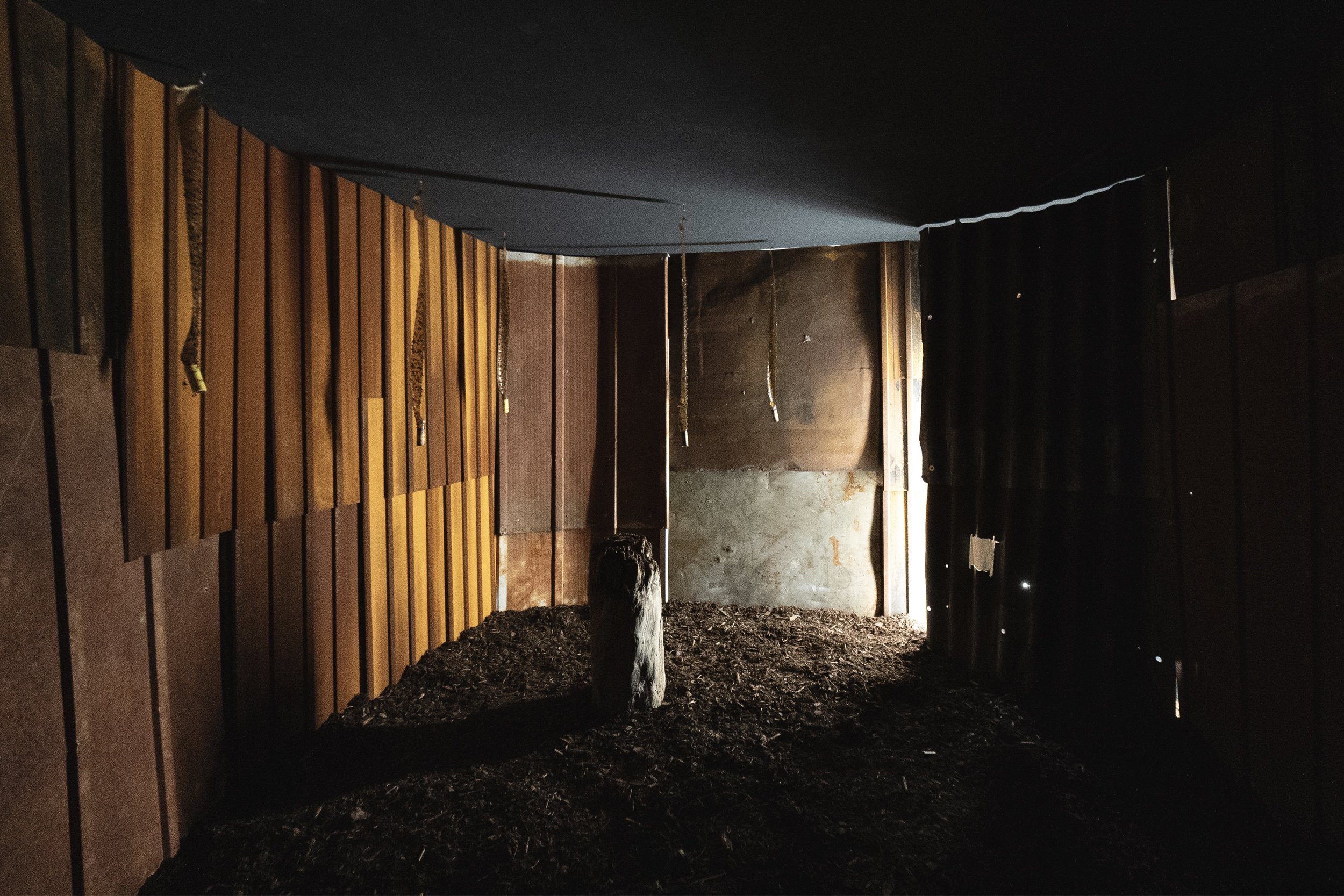
R.3 — Isolation (Salvation)
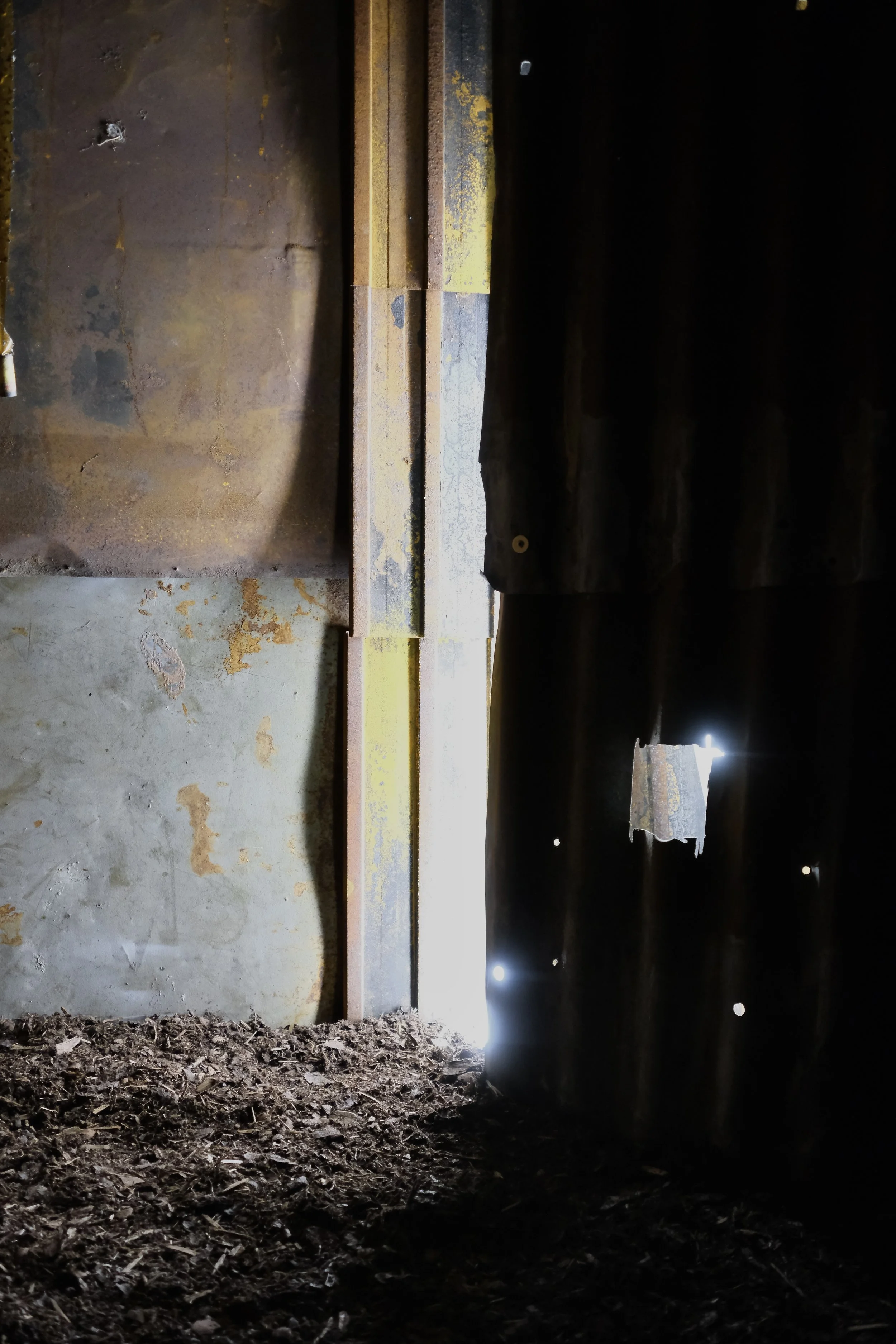
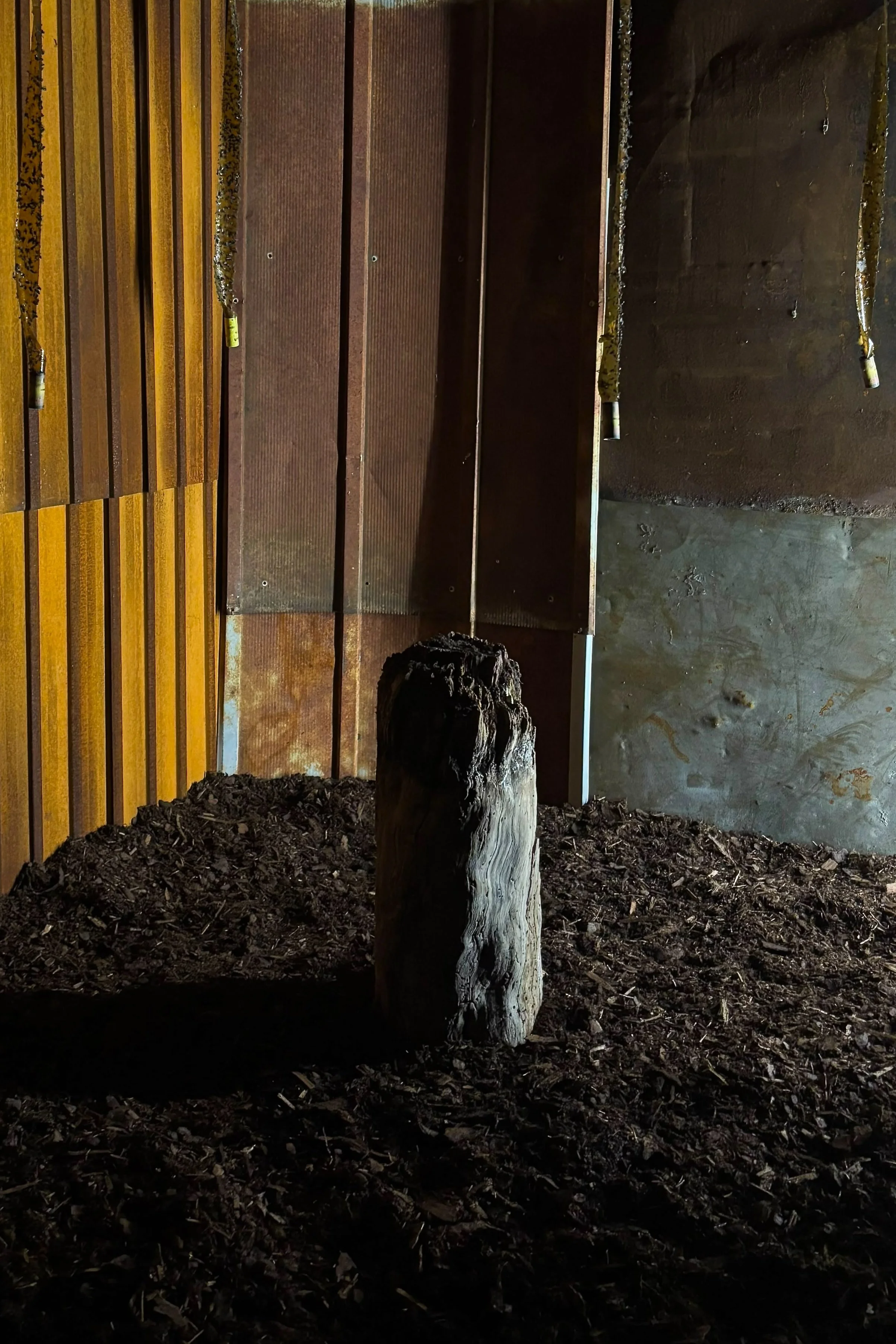
2026, Wood construction, pallets, corrugated sheets, corten steel, fly papers, mulch, rotten tree stump, neon tube, size variable, unique
“Was bleibt ist
Himmelsweite
Todespanorama
Sonne verbrennt
Roter Mond.
Las estrellas”
Archive
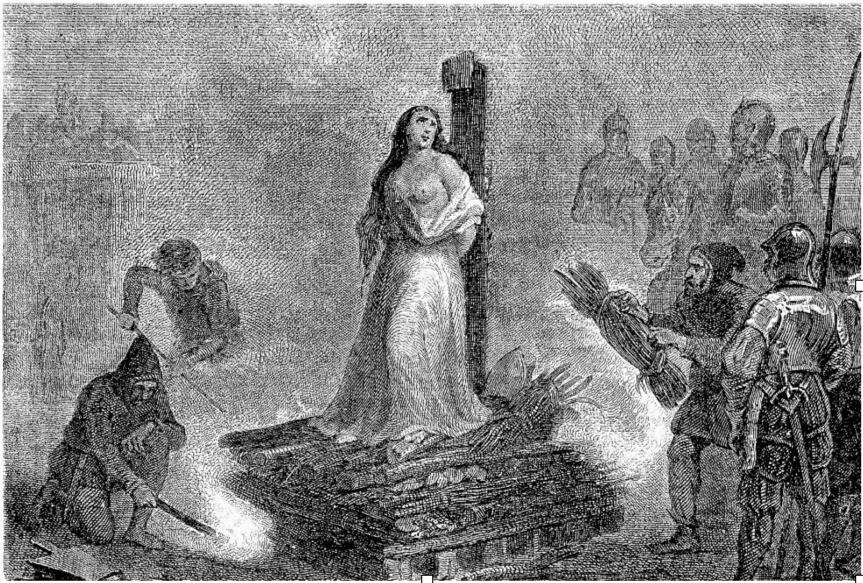
Eugène Devéria: La mort de Jeanne d’Arc, wood engraving, from 1842, as comparison for the ritualic architecture
Toro Júbilo, Medinaceli, group of men initially igniting the fireballs (bolas), photo: Cesar Manso
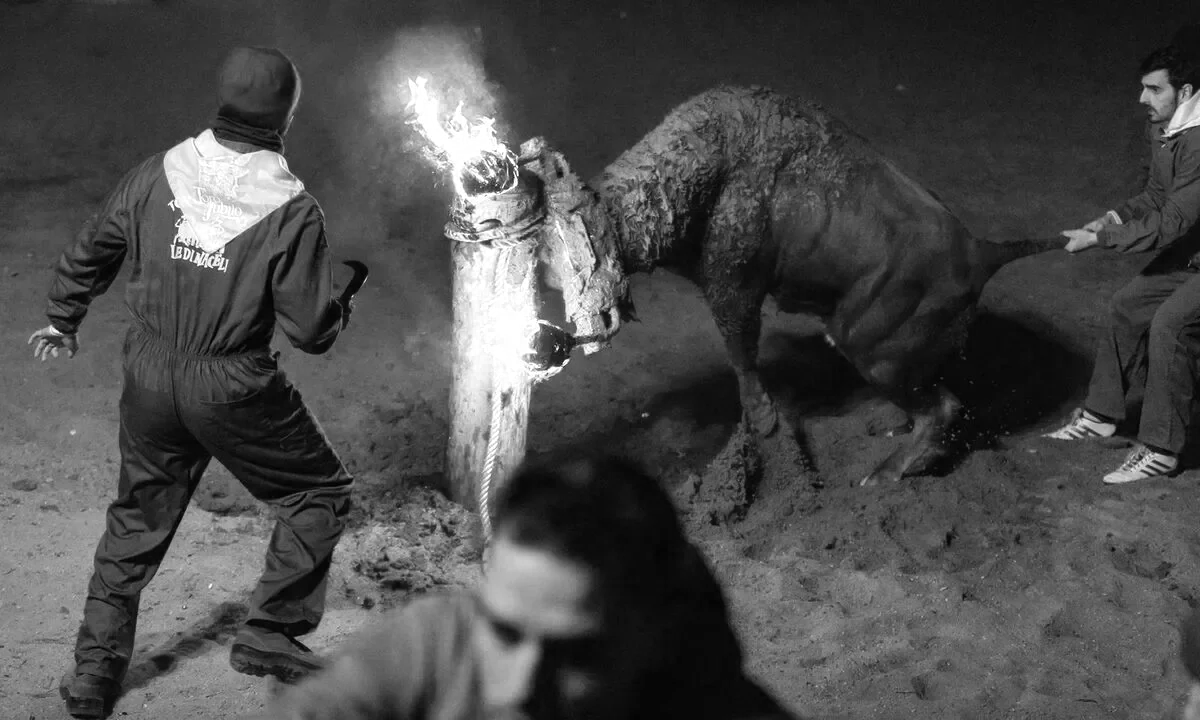
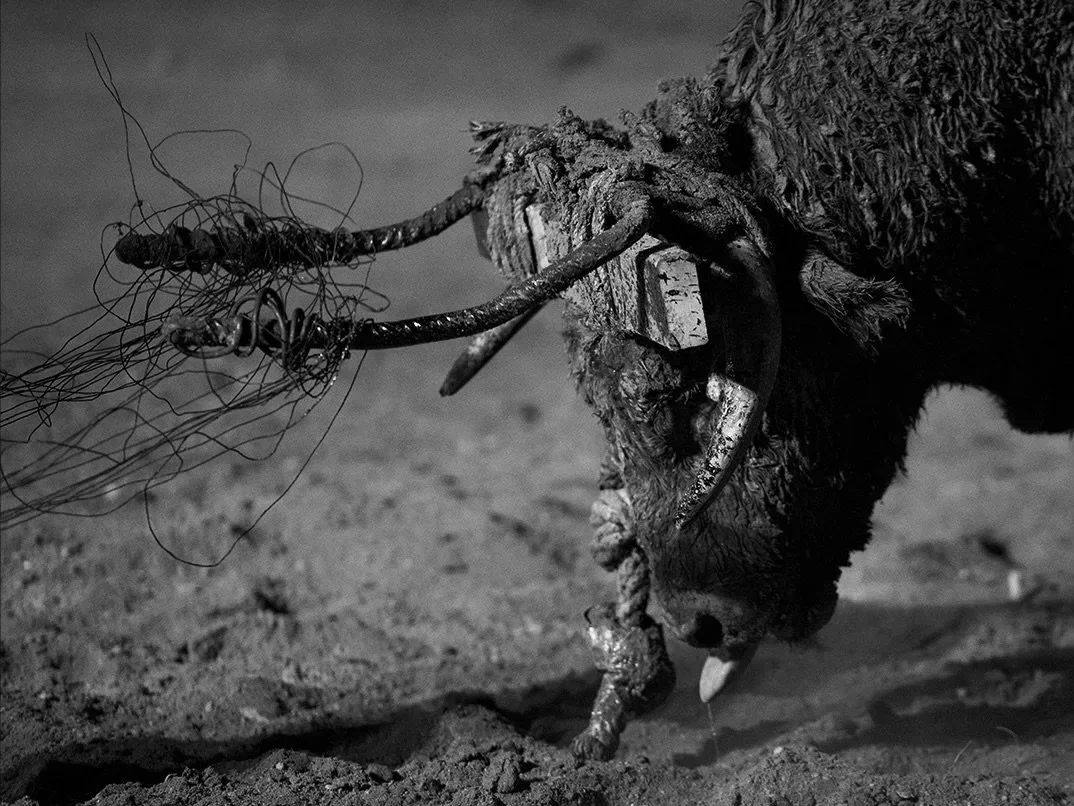
Toro Júbilo, Medinaceli, igniting of the fireballs (bolas), photo: Cesar Manso, AnimaNaturalis and CAS International
Toro Júbilo, Medinaceli, detail, wires after burning of the fireballs (bolas), photo: Cesar Manso
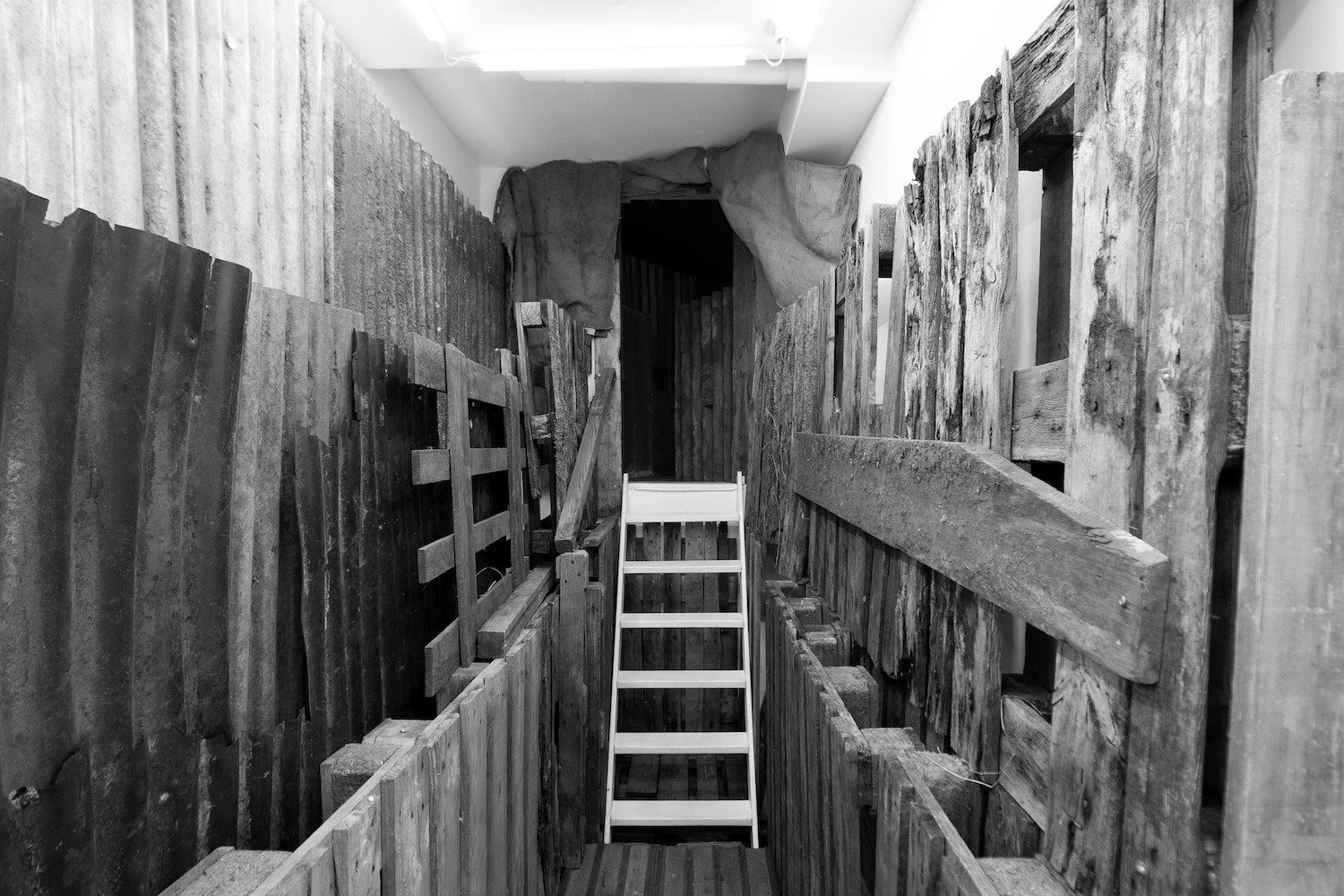
Related installation detail Requiem, room 1, Jubilation (Humiliation),2026, photo: Galerie Met, Norman Maýn

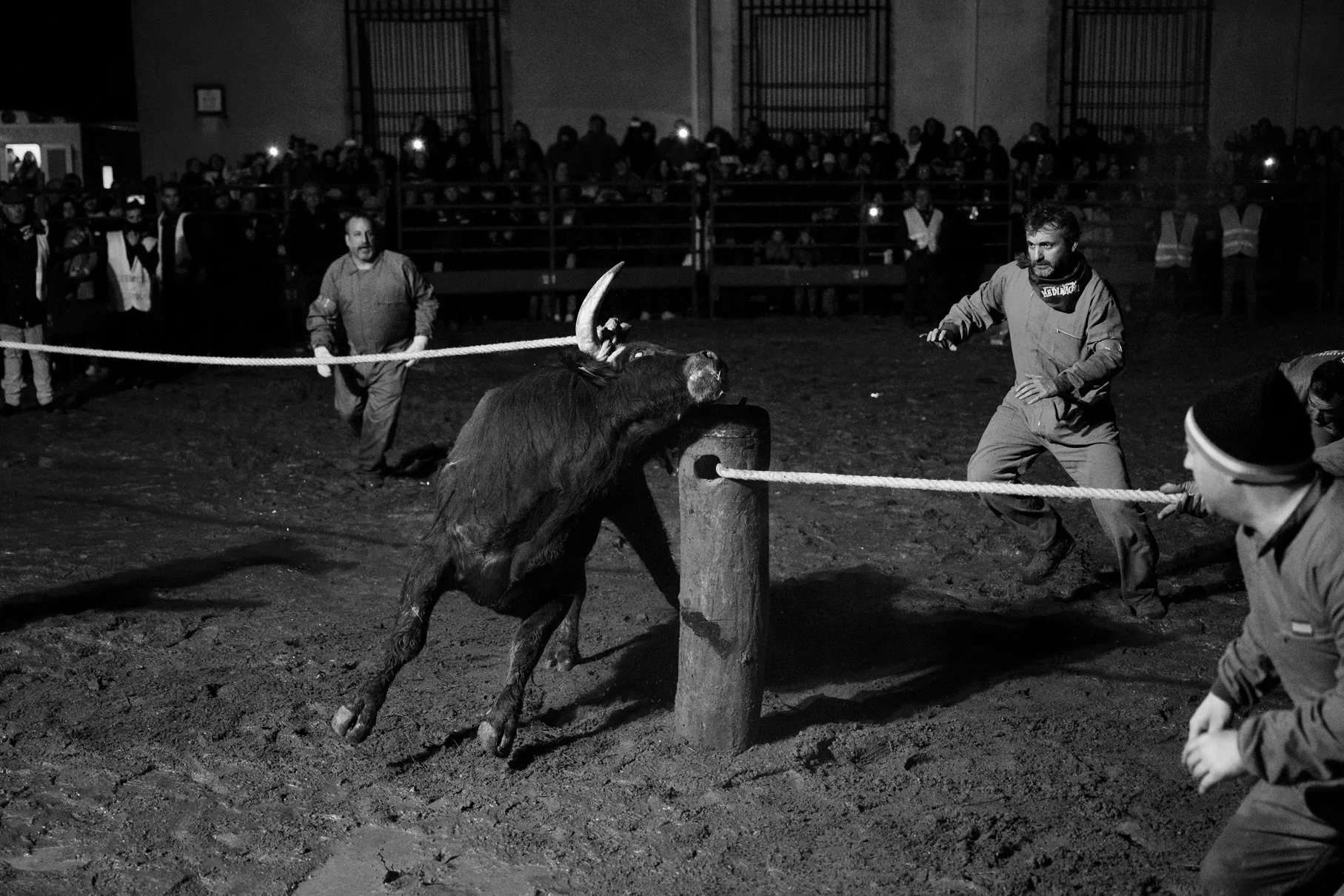
Toro Júbilo, Medinaceli, detail, group of men tying the bull before the igniting of the fireballs (bolas)
Passage end in Requiem exhibition, between the corridor Compression (Disorientation) and the last room Isolation (Salvation), photo: Galerie Met, Norman Maýn
Transport, isolation boxes, material and process in bullfights and slaughtering share similarities
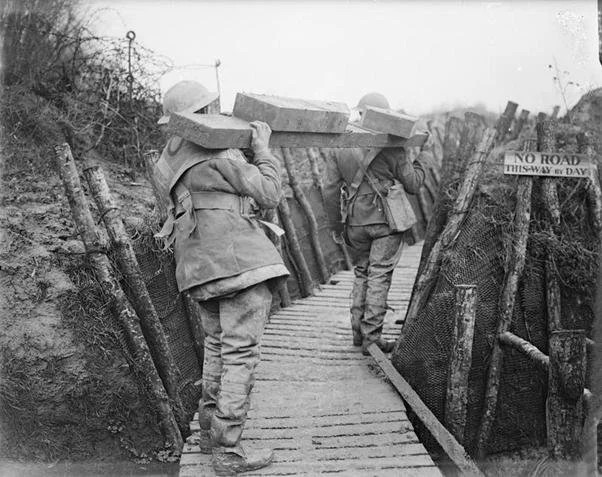
Material and construction in war zones

Requiem, Installation process detail, photo: Galerie Met, Norman Maýn
Trench architecture
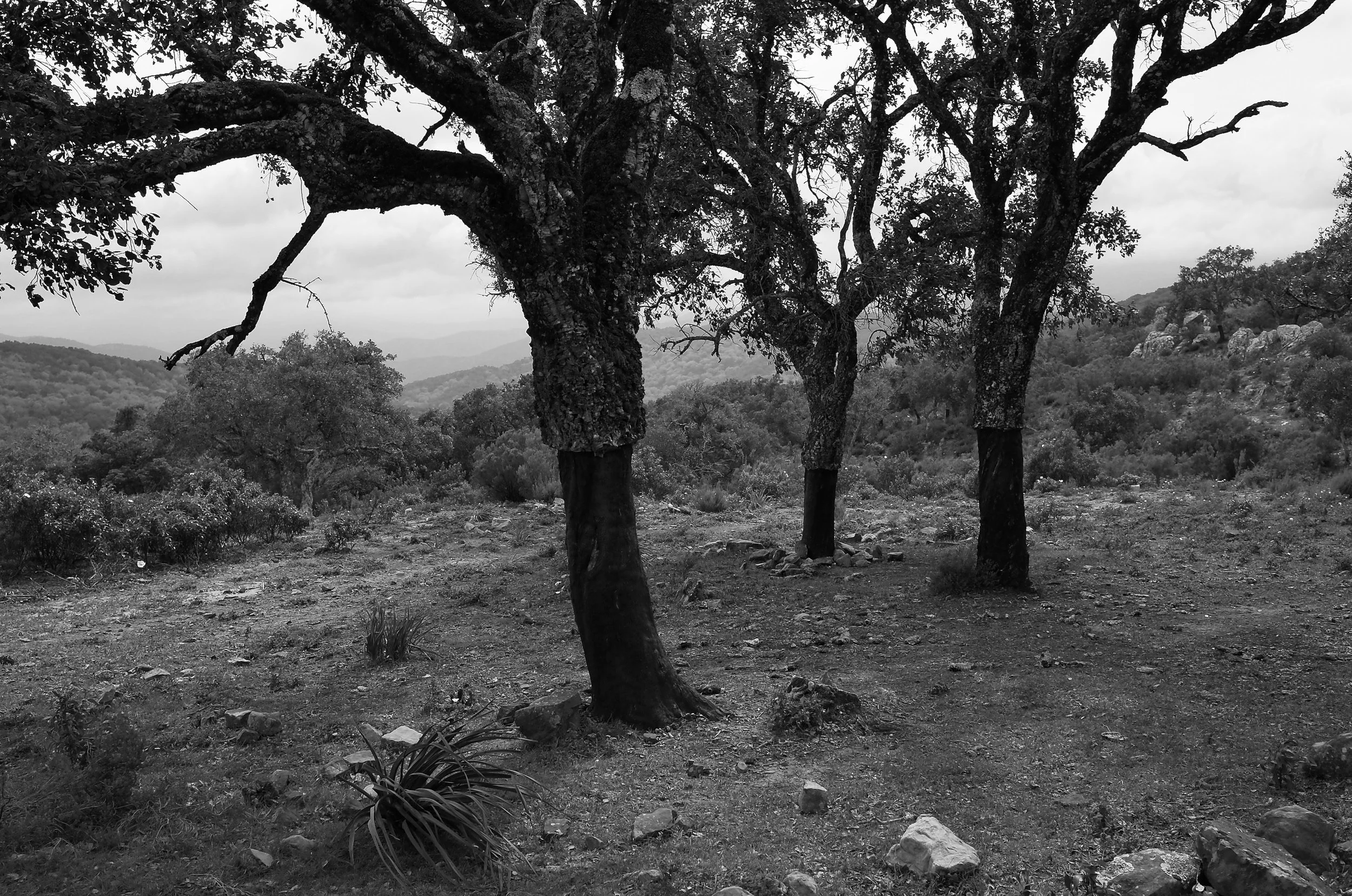
Natural surrounding of the young bulls, stripped cork oaks Dehesa, Los Alcornocales, Cádiz, photo: Norman Maýn
Ephemeral war architecture
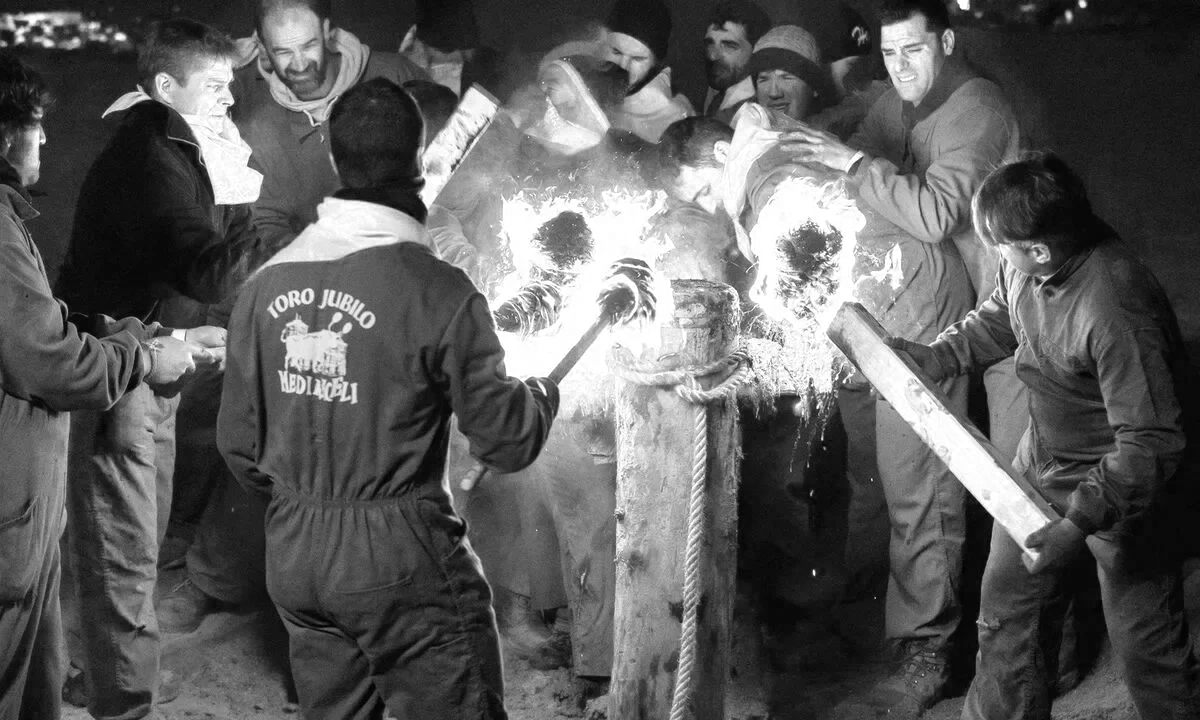
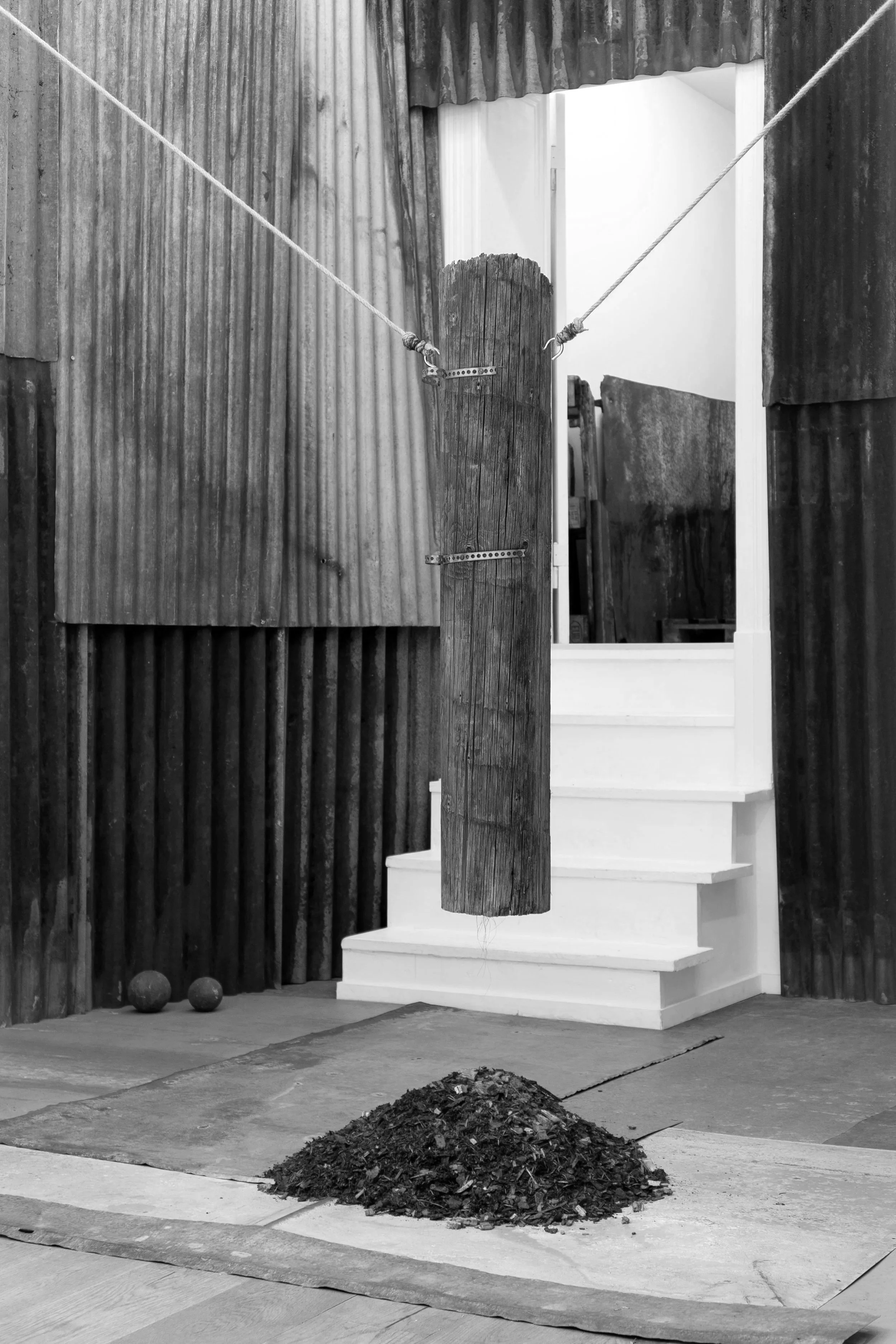
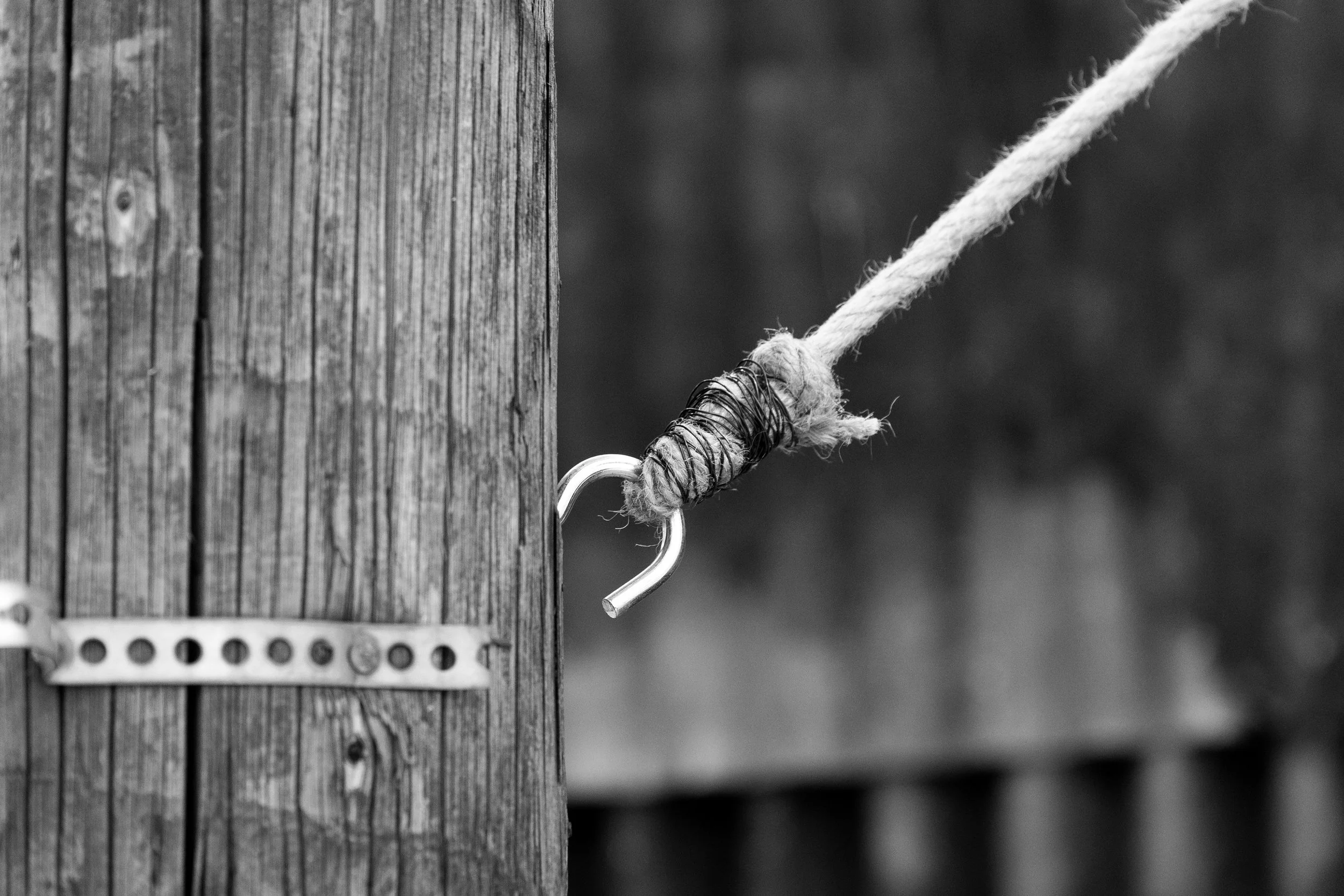
Related installation detail Requiem, room 1, Jubilation (Humiliation),2026, photo: Galerie Met, Norman Mayn
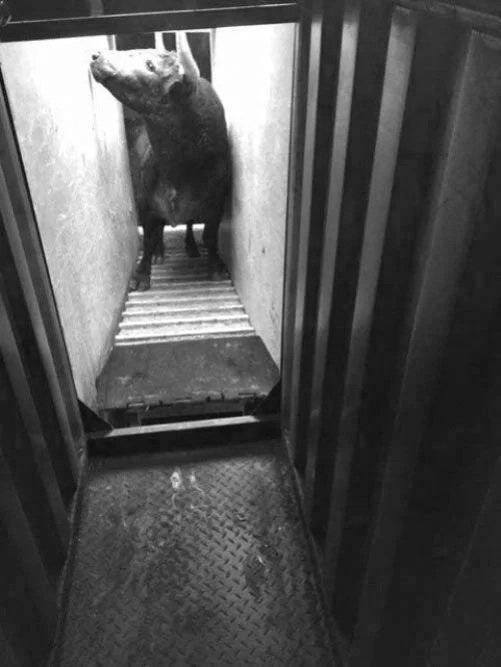
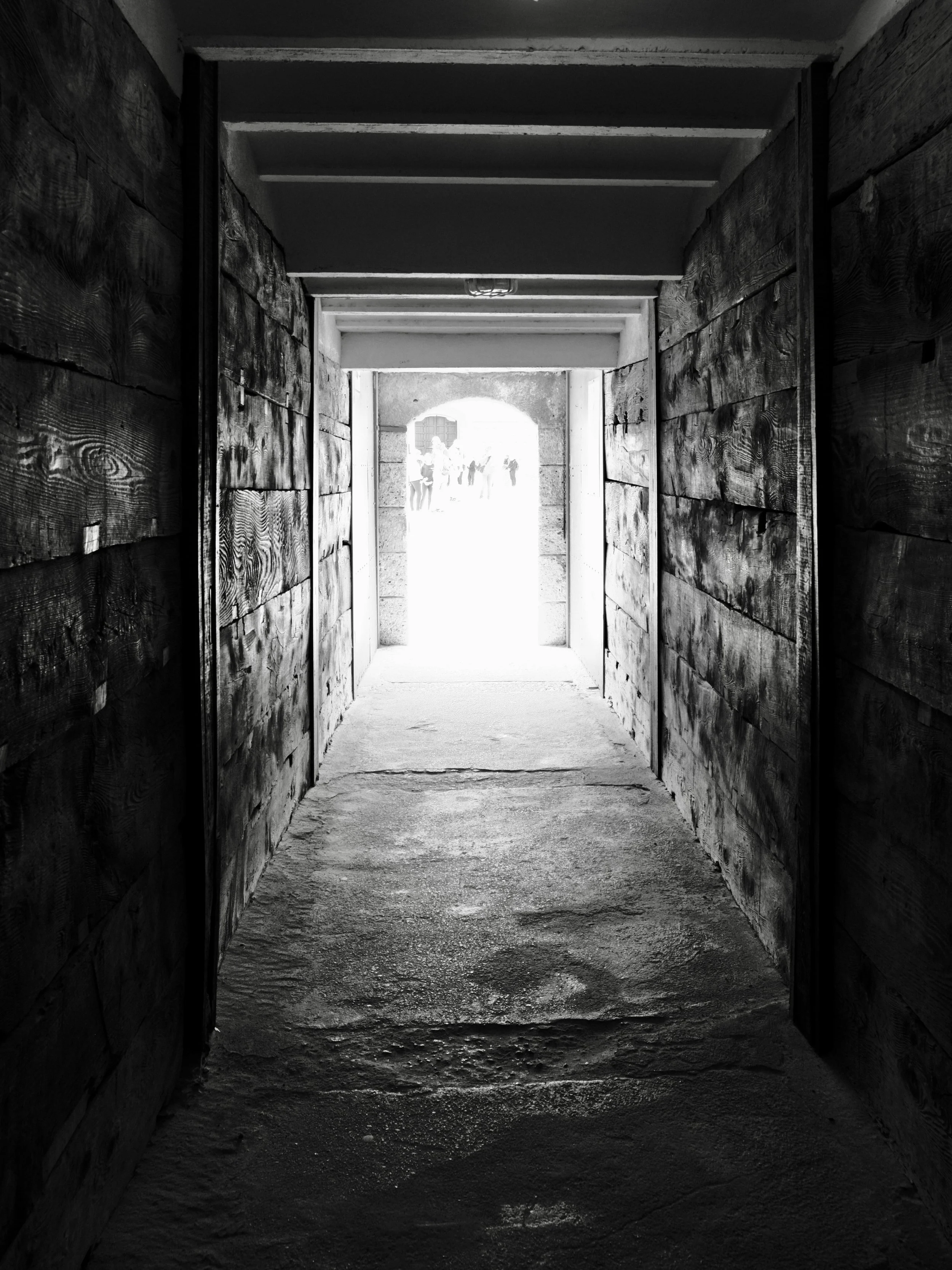
Plaza de Tores de Ronda, bullfight ring, last gateway between the isolation boxes an the arena, puerta de los Toriles/Toril bullifght ring, photo: Norman Maýn